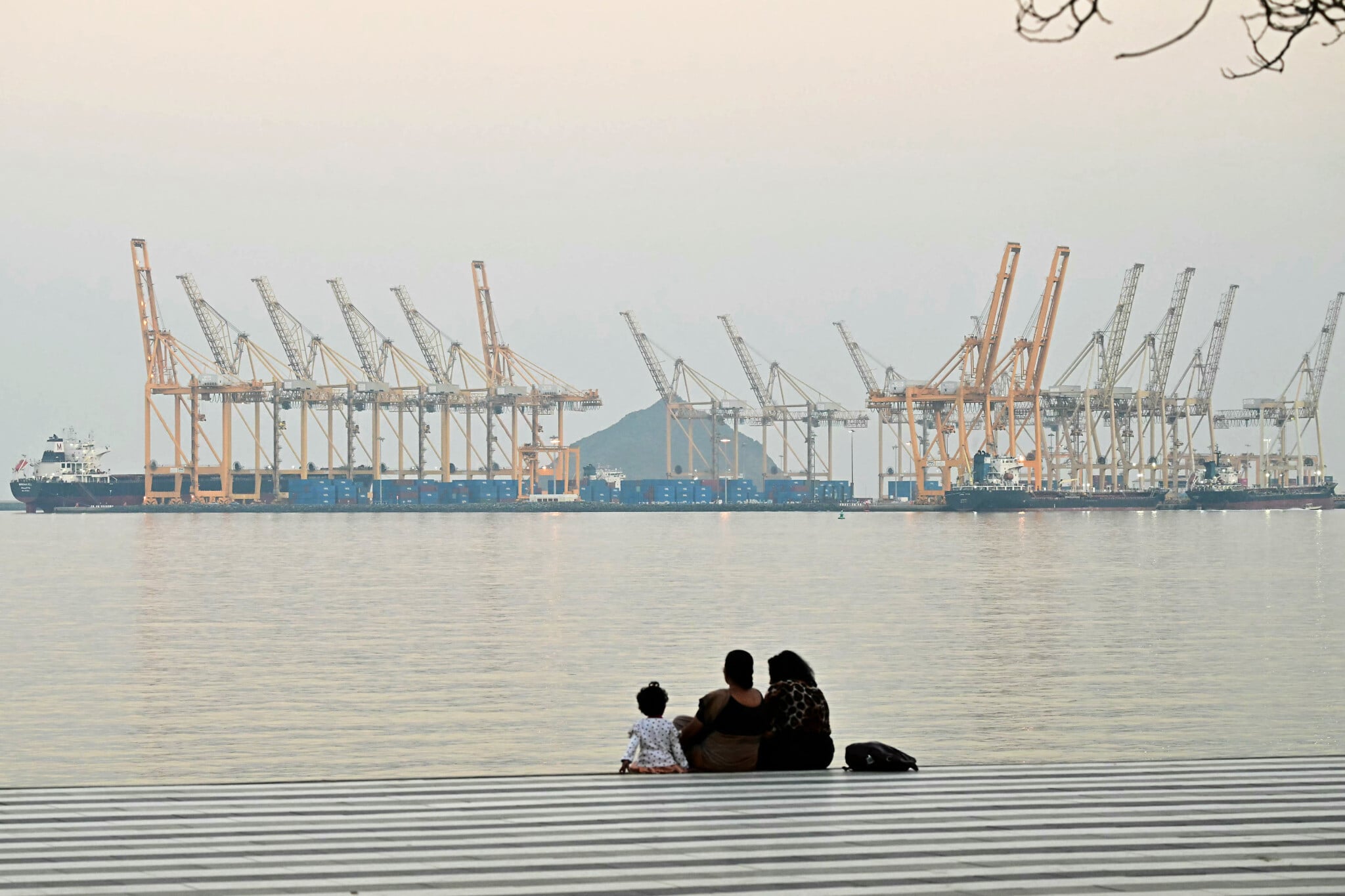
Strategic Hormuz: Why This Chokepoint is Key to World Trade
The Strait of Hormuz is more than just a narrow strip of water; it's a pulsating artery of global commerce, an irreplaceable conduit for the world's energy supply. Situated at the mouth of the Persian Gulf, this waterway, barely 39 kilometers wide at its narrowest point, has become synonymous with geopolitical tension and economic vulnerability. Understanding its significance is crucial for anyone interested in global trade, energy markets, or international relations. The smooth flow of
scheepvaart Straat Hormuz directly impacts everything from petrol prices at the pump to the stability of industrial production worldwide.
The Lifeline of Global Energy: Unpacking Hormuz's Importance
Geographically, the Strait of Hormuz connects the Persian Gulf to the Arabian Sea and, by extension, the Indian Ocean. This seemingly modest connection, however, unlocks access to some of the planet's richest oil and gas reserves. Nations bordering the Gulf, including Saudi Arabia, the United Arab Emirates, Kuwait, Iraq, and Iran, are major global energy producers. For these countries, the Strait is the only maritime outlet for the vast majority of their exports.
The sheer volume of energy commodities that transit this chokepoint is staggering:
- Oil: Approximately 20-30% of the world's total crude oil consumption, or around 21 million barrels per day (mbpd), passes through the Strait of Hormuz. This monumental figure underscores its critical role in maintaining global energy stability. Supertankers, some of the largest vessels afloat, routinely navigate these waters, ferrying oil primarily to energy-hungry markets in Asia, but also to Europe and the Americas.
- Natural Gas: Beyond crude oil, a substantial portion—roughly one-third—of the world's liquefied natural gas (LNG) supply also sails through Hormuz. This includes shipments from Qatar, the world's largest LNG exporter, making the Strait equally vital for gas consumers globally.
Any disruption to this flow would send immediate shockwaves through international markets. Oil and gas prices would skyrocket, causing significant economic distress, supply chain disruptions, and potentially triggering inflationary spirals globally. Industries reliant on stable energy prices, from manufacturing to transportation, would face immense pressure, highlighting why the security of
scheepvaart Straat Hormuz is a top-tier concern for nations worldwide.
Navigating Complex Waters: Sovereignty and International Law
The waters of the Strait of Hormuz fall under the territorial jurisdiction of Iran and Oman, as per the United Nations Convention on the Law of the Sea (UNCLOS). This international treaty grants coastal states sovereignty over their territorial waters but also stipulates the "right of innocent passage" for foreign vessels. This right allows ships to transit through territorial waters without hindrance, provided their passage is not prejudicial to the peace, good order, or security of the coastal state.
However, a critical point of contention arises concerning military vessels:
- Iranian and Omani Stance: Both Iran and Oman maintain that warships and military vessels require prior permission to traverse their territorial waters within the Strait. This stance is based on specific interpretations of UNCLOS articles regarding national security.
- United States' Position: The United States, notably, has not ratified UNCLOS, although it generally adheres to its provisions as customary international law. Crucially, the US rejects the requirement for prior notification or permission for military vessels, asserting its right to freedom of navigation for its warships through international straits, consistent with international law.
This fundamental disagreement often leads to tense encounters, with US naval ships frequently exercising their right of passage without seeking permission from Iran or Oman. The situation is further complicated by Oman's unique geography, which includes the Musandam exclave on the northern tip of the Arabian Peninsula, effectively sharing control of the Strait's southern flank with Iran. This legal and practical ambiguity creates a continuous diplomatic tightrope walk, impacting the perceived security environment for general
scheepvaart Straat Hormuz.
Geopolitical Crossroads: Tensions and Security for Scheepvaart Straat Hormuz
The strategic significance of the Strait makes it a focal point for regional and international power struggles, primarily between Iran and the United States and its allies. Iran has repeatedly, and often vociferously, threatened to close the Strait of Hormuz, especially during periods of heightened international sanctions or military pressure. These threats are not empty rhetoric; they are a potent leverage point for Tehran.
The methods Iran could potentially employ to impede or close the Strait include:
- Naval Mines: Laying naval mines in the narrow shipping lanes is a relatively low-cost, high-impact tactic that could effectively block or severely restrict maritime traffic.
- Fast Attack Craft: Iran's Revolutionary Guard Corps (IRGC) possesses a fleet of small, agile boats equipped with missiles and torpedoes, capable of harassing or attacking commercial vessels.
- Coastal Missile Batteries: Anti-ship missile batteries positioned along the Iranian coastline could target ships attempting to transit the Strait.
In response to these threats and escalating regional tensions, the United States has frequently reinforced its military presence in the Gulf region, deploying additional aircraft carriers, advanced aircraft, and ground troops. Washington has also actively sought to build international coalitions to ensure the security of
scheepvaart Straat Hormuz. For instance, calls were made to NATO allies, including the Netherlands, to contribute to maritime patrol and escort missions. However, the willingness of some allied nations to directly participate in such a sensitive, potentially confrontational mission has sometimes varied.
A closure of the Strait, even temporary, would trigger an unprecedented global crisis, almost certainly leading to a military response from the US and its allies determined to reopen this vital waterway. This volatile dynamic makes the Strait of Hormuz a continuous flashpoint, where every incident has the potential for rapid escalation.
Safeguarding the Global Supply Chain: Practical Measures and Future Outlook
For shipping companies and global economies, the inherent risks associated with the Strait of Hormuz necessitate careful planning and risk mitigation. While there are no easy alternative routes for the vast majority of Gulf energy exports, several strategies are employed to manage the risks to
scheepvaart Straat Hormuz:
- Alternative Pipelines: Some Gulf states, particularly Saudi Arabia and the UAE, have developed pipelines that bypass the Strait of Hormuz to a certain extent. However, their capacity is limited and cannot fully compensate for a major disruption in the Strait.
- Increased Insurance Premiums: Due to the elevated risk profile, vessels transiting the Strait often face significantly higher insurance costs, adding to the overall cost of goods transported.
- Enhanced Security Protocols: Shipping companies operate with heightened security awareness, often employing private security details or adhering to advisories issued by international maritime forces.
- Naval Escorts: During periods of peak tension, naval forces from the US and other nations have provided escorts for commercial vessels, though this is not a permanent solution for all traffic.
The future stability of the Strait hinges on a delicate balance of deterrence and diplomacy. While military presence provides a security umbrella, long-term solutions require sustained diplomatic efforts to de-escalate tensions in the region and foster greater trust and cooperation among all stakeholders. The international community, recognizing the indispensable nature of this waterway, remains deeply invested in maintaining its open and secure status. For more detailed insights into the geopolitical pressures, consider reading
US-Iran Tensions: The Battle for Shipping in Hormuz Strait, and to understand the broader implications for the energy sector, explore
Straat van Hormuz: Global Energy Lifeline Under Threat.
In conclusion, the Strait of Hormuz is undeniably a lynchpin of global trade and energy security. Its narrow passage, vital for the transit of a significant portion of the world's oil and gas, is simultaneously a hotbed of geopolitical tension and legal complexities. The continuous efforts to ensure the safe and uninterrupted flow of
scheepvaart Straat Hormuz underscore its strategic importance, reminding us that the stability of this small waterway has profound implications for economies and societies across the globe. Maintaining peace and freedom of navigation here is not just a regional concern but a global imperative.