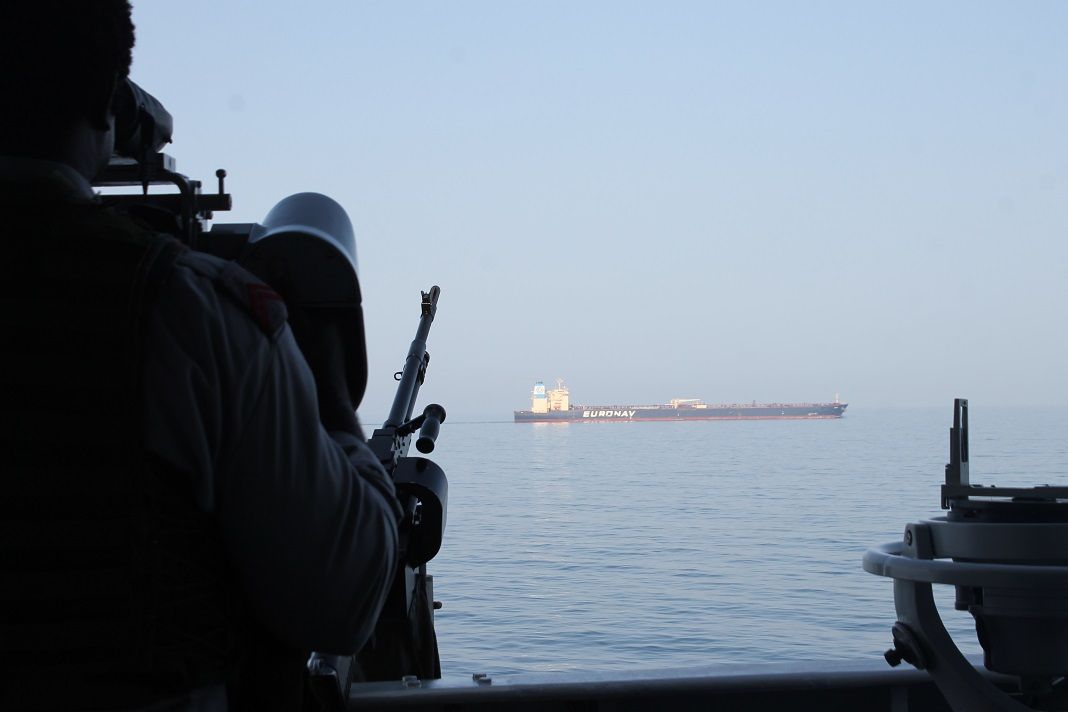
US-Iran Tensions: The Battle for Shipping in Hormuz Strait
The Strait of Hormuz, a narrow yet profoundly significant waterway, stands as one of the world's most critical maritime chokepoints. Connecting the Persian Gulf to the open waters of the Indian Ocean, this strategic passage is an indispensable artery for global energy supplies. In recent years, the delicate balance of power in the region has been repeatedly tested by escalating tensions between the United States and Iran, casting a long shadow over the safety and continuity of
scheepvaart straat Hormuz. The potential for disruption here is not merely a regional concern but a global economic and security nightmare, impacting everything from oil prices to international trade stability.
The Unrivaled Importance of the Strait of Hormuz
At its narrowest point, a mere 39 kilometers wide, the Strait of Hormuz is a geographical bottleneck with colossal economic implications. It provides the only sea passage from the Persian Gulf to the open ocean for the vast majority of the world's most abundant oil and gas producers, including Saudi Arabia, the United Arab Emirates, Kuwait, southern Iraq, and southwestern Iran. Through this strait, an estimated 20 to 30 percent of the world's total oil consumption, primarily destined for Asian markets, travels daily on massive supertankers. Furthermore, roughly one-third of the world’s liquefied natural gas (LNG) also navigates this critical route. This makes the strait not just a conduit for energy but a barometer for global economic health. Any significant impediment to the uninterrupted flow of
scheepvaart straat Hormuz could trigger a cascade of economic shocks, from soaring energy prices and supply chain disruptions to potentially widespread inflationary pressures. The sheer volume and value of cargo passing through underscore why it's often referred to as a global energy lifeline. For a deeper dive into its vital role, consider exploring
Straat van Hormuz: Global Energy Lifeline Under Threat.
A Contested Chokepoint: Navigating Sovereignty and International Law
The waters of the Strait of Hormuz fall within the territorial jurisdiction of Iran and Oman, as recognized by the United Nations Convention on the Law of the Sea (UNCLOS). This convention grants vessels the right of "innocent passage," allowing them to traverse territorial waters unimpeded, provided they do not threaten the security of the coastal state. However, the interpretation and application of this principle become highly contentious, particularly concerning military vessels. Both Iran and Oman have subsequently stipulated that warships must seek prior permission before entering their territorial waters.
The United States, notably a non-ratifier of UNCLOS, has consistently rejected these limitations, asserting its right for its naval vessels to pass through without seeking consent. This fundamental disagreement often leads to standoffs and increased military presence in the region. Washington has actively sought to build an international coalition, reaching out to NATO allies like the Netherlands, to help guarantee the safety of shipping in these strategic waters. The expectation is that participating nations would contribute to patrolling and escorting duties. However, the willingness of various allies to commit assets to such a potentially high-stakes operation remains uncertain, highlighting the complex diplomatic tightrope that must be walked. Oman, with its unique exclave bordering the strait, adds another layer of geopolitical complexity, as its territory is only accessible via Emirati land. Understanding these layers is crucial to grasping why this chokepoint is key to world trade, as detailed in
Strategic Hormuz: Why This Chokepoint is Key to World Trade.
The Shadow of Closure: Potential Repercussions on Global Shipping
Iran has, on multiple occasions throughout history, threatened to close the Strait of Hormuz, especially when faced with heightened international pressure or sanctions. While these threats have, so far, remained largely unexecuted, the possibility is a constant consideration for the US and its allies. Methods of closure could range from laying sea mines, which can effectively paralyze traffic, to harassing passing vessels with fast attack boats or using anti-ship missiles.
Should Iran act on these threats, the international response would likely be swift and decisive. It is highly improbable that the US and its allies would passively observe such a severe disruption to global trade and energy supply. A military response to reopen and secure the strait would be almost inevitable, potentially escalating the conflict dramatically. The economic fallout would be immediate and severe:
- Oil Price Spikes: Global oil prices would skyrocket, potentially reaching unprecedented levels, leading to global economic instability.
- Supply Chain Disruptions: Delays and rerouting of cargo would impact manufacturing, retail, and other sectors worldwide.
- Insurance Premiums: Shipping insurance costs for vessels operating in the region would soar, making trade more expensive and less viable.
- Energy Security Concerns: Nations heavily reliant on Middle Eastern oil and gas would face critical energy security challenges.
- Recessionary Fears: The combined economic shocks could trigger or exacerbate a global recession.
The impact on
scheepvaart straat Hormuz would be catastrophic, transforming a bustling maritime corridor into a perilous no-go zone, with profound implications for every aspect of international commerce.
Mitigating Risks and Ensuring Stability in Hormuz Shipping
In the face of persistent tensions, maintaining the uninterrupted flow of
scheepvaart straat Hormuz requires a multi-faceted approach blending diplomacy, deterrence, and risk mitigation strategies. For the international community, diplomatic engagement aimed at de-escalation and finding common ground with Iran is paramount. This includes addressing underlying grievances and working towards comprehensive agreements that ensure regional stability.
For shipping companies and stakeholders, practical measures are essential:
- Robust Risk Assessment: Constantly evaluating the security landscape and updating risk profiles for routes through the strait.
- Diversification of Energy Sources: Nations and corporations should continue efforts to diversify their energy portfolios, reducing over-reliance on a single geographic source.
- Alternative Routes (where possible): While limited, exploring alternative energy export routes or pipelines that bypass the strait can offer some buffer. However, these are often costly and logistically challenging.
- Enhanced Security Measures: Adhering to international maritime security advisories, potentially increasing onboard security, and collaborating with naval forces.
- Strategic Petroleum Reserves: Countries maintaining sufficient strategic petroleum reserves can help cushion the immediate shock of supply disruptions.
Ultimately, the freedom of navigation through the Strait of Hormuz is a global imperative. The delicate balance between asserting international maritime rights and avoiding provocative actions is a constant challenge for all parties involved, demanding judicious decision-making and a commitment to peaceful resolution.
Conclusion
The Strait of Hormuz remains a focal point of geopolitical tension, with the specter of US-Iran conflict perpetually hanging over its vital waters. Its role as an indispensable energy conduit means that any disruption to
scheepvaart straat Hormuz sends ripples across the globe, impacting economies, energy security, and international relations. While the immediate focus is often on military deterrence and naval protection, a sustainable solution necessitates sustained diplomatic efforts and a shared commitment to maritime security and stability. The world watches keenly, understanding that the peaceful passage of vessels through this narrow strait is critical for global prosperity and peace.